

Introduction
Immigration policy has long been one of the most debated topics in the United States. While the federal government traditionally holds authority over immigration enforcement, several states have attempted to introduce their own laws aimed at addressing undocumented immigration within their borders. Idaho recently joined that list when lawmakers passed House Bill 83, sparking legal challenges and nationwide attention.
The phrase idaho immigration law blocked has become increasingly common in news coverage as courts continue to examine whether the state exceeded its constitutional authority. The controversy reflects a broader national conversation about the balance between state interests and federal power.
Understanding this issue requires more than a quick glance at headlines. It involves examining the details of the legislation, the legal arguments presented by both sides, the role of federal courts, and the potential consequences for immigrants, law enforcement agencies, and Idaho communities.
This article provides a comprehensive overview of the ongoing legal battle, offering readers a clear understanding of the facts while exploring the wider implications of the case.
Understanding Idaho’s Immigration Law

Idaho lawmakers introduced House Bill 83 as part of an effort to address concerns surrounding unauthorized immigration within the state. Supporters argued that the legislation would strengthen public safety and discourage unlawful entry into Idaho.
The law proposed creating state-level criminal penalties for individuals who entered or remained in Idaho after allegedly entering the United States without authorization. Critics immediately questioned whether the state possessed the constitutional authority to regulate matters traditionally handled by the federal government.
The debate intensified as civil rights organizations, immigrant advocacy groups, and legal experts warned that the legislation could lead to racial profiling and inconsistent immigration enforcement practices.
As lawsuits emerged, the phrase idaho immigration law blocked began appearing frequently in discussions about the measure’s future.
Why Federal Courts Stepped In
The United States Constitution grants the federal government significant authority over immigration matters. This principle has been reinforced through decades of court decisions.
Opponents of Idaho’s law argued that states cannot establish independent immigration systems or create penalties that conflict with federal policies. They maintained that immigration regulation requires a unified national approach.
Federal judges reviewing the case focused heavily on the doctrine of federal preemption. Under this legal principle, state laws may be invalidated if they interfere with federal objectives or attempt to regulate areas reserved for Congress.
The court determined that plaintiffs had raised substantial constitutional concerns warranting immediate judicial intervention while the case proceeded through the legal system.
As a result, idaho immigration law blocked became more than a news headline; it evolved into a significant legal development with nationwide implications.
The Core Legal Arguments
Arguments Presented by Supporters
Supporters of the legislation argued that Idaho faced challenges associated with unauthorized immigration and possessed the right to protect public safety within its borders.
They emphasized that states routinely cooperate with federal immigration authorities and claimed that House Bill 83 complemented existing federal law rather than replacing it.
Advocates also suggested that the legislation addressed perceived gaps in enforcement.
Arguments Presented by Opponents
Opponents countered that immigration enforcement is fundamentally a federal responsibility.
They warned that allowing individual states to establish separate immigration penalties could create a fragmented system in which rules varied dramatically across state lines.
Critics additionally expressed concerns about civil liberties, arguing that enforcement efforts might disproportionately affect immigrant communities regardless of legal status.
The judicial response reinforced the significance of these concerns, contributing to continued reports that the idaho immigration law blocked order remained in effect.
Timeline of Key Events
| Date | Event | Significance |
|---|---|---|
| Early 2024 | Idaho lawmakers approve House Bill 83 | Launches statewide debate |
| Shortly afterward | Civil rights groups file lawsuits | Legal challenges begin |
| Federal court review | Temporary restraining measures considered | Enforcement delayed |
| Subsequent rulings | Preliminary injunction issued | Law prevented from taking effect |
| Ongoing litigation | Appeals and additional proceedings continue | Long-term outcome remains uncertain |
This timeline illustrates how rapidly the situation evolved from legislative approval to federal judicial scrutiny.
The Role of Federal Preemption
One of the most important legal concepts in this dispute is federal preemption.
Federal preemption occurs when federal authority overrides conflicting state laws. Immigration has historically been recognized as an area where national consistency is essential.
Courts evaluating similar disputes often examine whether a state law creates obstacles to federal objectives or intrudes into areas reserved for Congress.
The continuing reality that idaho immigration law blocked enforcement efforts reflects the judiciary’s willingness to carefully assess those constitutional boundaries.
National Context: Idaho Is Not Alone
Idaho is not the first state to face legal challenges over immigration legislation.
Several states have pursued aggressive immigration measures over the years, prompting court battles that reached the highest levels of the judicial system.
These cases frequently raise similar questions:
- Can states establish independent immigration crimes?
- How much authority do states possess regarding immigration enforcement?
- Where should courts draw the line between cooperation and interference?
The Idaho litigation has therefore attracted attention well beyond state borders.
Legal scholars view the proceedings as another chapter in an ongoing national debate regarding the relationship between state sovereignty and federal supremacy.
Potential Effects on Immigrant Communities
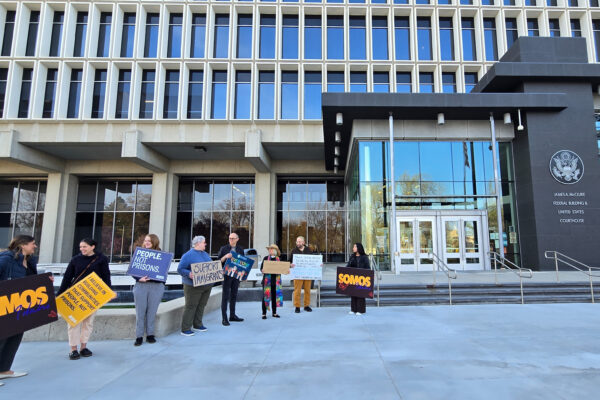
The uncertainty surrounding immigration laws can create significant anxiety within affected communities.
Immigrants, including those with lawful status, may experience confusion regarding their rights and responsibilities when state-level measures receive widespread publicity.
Advocacy organizations argue that legal disputes of this nature can discourage individuals from reporting crimes, seeking medical assistance, or engaging with public institutions.
At the same time, supporters of stricter enforcement contend that clear legal consequences promote compliance with existing laws.
Regardless of differing viewpoints, the phrase idaho immigration law blocked has become associated with broader conversations about community trust and public confidence.
Impact on Law Enforcement Agencies
Law enforcement officials often find themselves navigating complex legal environments when immigration-related policies change.
Implementing state immigration measures may require additional training, revised procedures, and coordination with federal authorities.
When courts intervene, agencies must quickly adapt to evolving legal requirements.
Temporary injunctions can create operational uncertainty, particularly when future court decisions remain unpredictable.
For this reason, many departments closely monitor developments connected to the idaho immigration law blocked proceedings.
What Happens Next?
The litigation process remains ongoing.
Future developments may include:
- Additional hearings in federal court.
- Appeals challenging existing injunctions.
- Potential modifications to the legislation.
- Long-term judicial determinations regarding constitutionality.
The ultimate resolution could shape how other states approach immigration-related proposals in the years ahead.
Observers across the political spectrum recognize that the outcome may establish important precedents concerning state authority.
Until final judgments are issued, reports indicating idaho immigration law blocked status continue to define the current legal landscape.
Public Reaction and Political Debate
Public opinion regarding immigration policy often reflects deeply held beliefs about security, fairness, economic considerations, and constitutional governance.
Supporters of Idaho’s approach argue that states should possess greater flexibility in responding to local concerns.
Critics maintain that immigration policy requires uniform national standards to avoid confusion and protect constitutional rights.
Political leaders have used the controversy to advocate for broader reforms at both state and federal levels.
As the legal battle progresses, discussions surrounding idaho immigration law blocked remain highly visible within political discourse.
The Importance of Accurate Information
Because immigration issues frequently evolve through legislative action and court decisions, relying on verified information is essential.
Headlines alone may not fully capture the complexity of ongoing litigation.
Readers should consider multiple factors when evaluating developments:
- The specific provisions challenged in court.
- The scope of judicial injunctions.
- Whether appeals have altered previous rulings.
- The distinction between temporary and permanent decisions.
Informed public understanding contributes to more productive discussions about immigration policy and constitutional law.
Key Takeaways
- Idaho’s House Bill 83 sparked significant legal controversy shortly after its passage.
- Federal courts questioned whether the legislation conflicted with federal immigration authority.
- The doctrine of federal preemption plays a central role in the dispute.
- Immigrant communities, law enforcement agencies, and policymakers could all be affected by the outcome.
- The ongoing idaho immigration law blocked status highlights broader constitutional questions facing multiple states.
- Future court decisions may influence immigration policymaking nationwide.
Frequently Asked Questions
1. What is Idaho House Bill 83?
House Bill 83 is an Idaho measure intended to establish state-level penalties related to unauthorized immigration activities.
2. Why was the law challenged in court?
Opponents argued that immigration regulation falls primarily under federal authority and that the state law conflicted with existing constitutional principles.
3. Is the law currently being enforced?
At present, federal court actions have prevented enforcement while litigation continues.
4. What does federal preemption mean?
Federal preemption is a legal doctrine stating that federal law overrides conflicting state laws in areas where Congress has primary authority.
5. Could the court’s decision affect other states?
Yes. The legal reasoning applied in Idaho may influence future disputes involving similar legislation elsewhere.
6. Who brought the lawsuit against the law?
Civil rights organizations and advocacy groups were among those challenging the legislation in federal court.
7. When will a final decision be made?
The timeline remains uncertain because appeals and additional proceedings may extend the litigation process.
Conclusion
The legal battle surrounding Idaho’s immigration legislation illustrates the continuing tension between state initiatives and federal constitutional authority. While supporters emphasize public safety and local control, opponents stress the importance of maintaining a consistent national immigration framework.
The repeated appearance of the phrase idaho immigration law blocked in recent reporting reflects the significance of the federal courts’ intervention and the unresolved nature of the dispute. As litigation moves forward, the decisions reached by judges may shape not only Idaho’s future policies but also the broader national conversation surrounding immigration enforcement.
For residents, policymakers, and observers alike, staying informed about these developments remains essential. The outcome of this case has the potential to influence legal interpretations, legislative strategies, and public understanding of immigration authority across the United States for years to come.