

What are gst registration process?
The gst registration process is the procedure businesses follow to obtain a GSTIN (GST Identification Number). It allows legal tax collection, GST compliance, and input tax credit claims.
Best gst registration process
The best gst registration process involves submitting accurate business details, uploading correct documents, and completing verification promptly to avoid delays.
How to choose gst registration process?
Choose the right registration category based on your business type, turnover, and activities. Understanding GST requirements helps ensure smooth registration.
Introduction
Starting a business involves several legal and financial responsibilities, and one of the most important among them is GST registration. Many entrepreneurs, freelancers, e-commerce sellers, and growing businesses often find the registration procedure confusing due to documentation requirements and compliance rules.
Goods and Services Tax (GST) has transformed India’s indirect taxation system by creating a unified tax structure. Businesses that meet prescribed turnover limits or fall under mandatory registration categories must register under GST to operate legally and efficiently.
Understanding the registration procedure is crucial because errors during application can lead to delays, notices, or rejection. A clear understanding of requirements, documentation, and approval stages helps businesses avoid unnecessary complications and begin operations confidently.
Quick Summary
- GST registration is primarily completed through an online portal.
- Businesses exceeding specified turnover limits may need mandatory registration.
- Proper documentation significantly reduces processing delays.
- A GSTIN enables legal tax collection and input tax credit benefits.
Understanding GST Registration
GST registration is the process through which a business obtains official recognition under the GST framework. After successful registration, the applicant receives a GST Identification Number (GSTIN), which serves as the business’s unique tax identity.
Registration helps businesses collect GST from customers, file GST returns, claim input tax credit, and comply with tax regulations. It also improves business credibility when dealing with suppliers, customers, financial institutions, and government agencies.
Who Needs GST Registration?
Not every business is required to register immediately. Registration requirements generally depend on annual turnover, business activities, and operational models. Certain businesses must register regardless of turnover, especially those involved in interstate supply, e-commerce operations, or specific taxable services.
Businesses operating through online marketplaces, import-export activities, or certain service categories often fall under mandatory registration provisions. Staying informed about current regulations helps avoid penalties and compliance issues.
GST Registration Process: Step-by-Step Guide
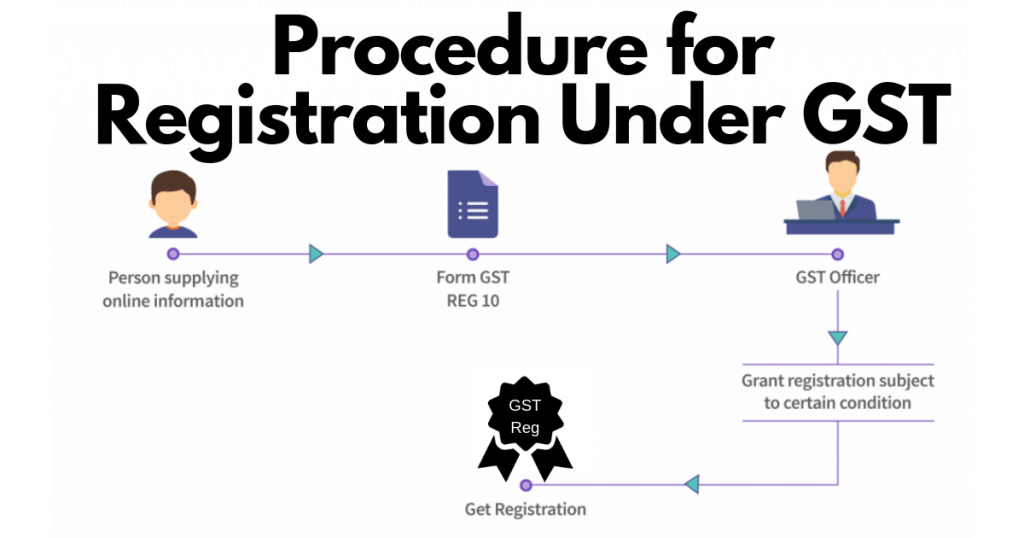
The gst registration process begins with determining eligibility and gathering the required documents. Applicants then complete an online application and submit supporting information for verification.
Step 1: Check Eligibility
Before applying, determine whether your business falls under mandatory registration criteria or voluntary registration. Many growing businesses choose voluntary registration to enhance credibility and claim input tax credit benefits.
Step 2: Gather Required Documents
Applicants generally need:
- PAN card
- Aadhaar card
- Business address proof
- Bank account details
- Business registration documents
Accurate and updated documents help reduce verification issues.
Step 3: Complete Online Application
The applicant enters business details, contact information, business activity descriptions, and authorized signatory information. Careful data entry is essential because inconsistencies may trigger additional scrutiny.
Step 4: Verification Process
Authorities verify the submitted information using digital authentication methods. In some situations, additional clarification or supporting documents may be requested.
Step 5: GSTIN Allocation
After successful verification and approval, a GSTIN is issued. The business can then begin collecting GST and fulfilling compliance obligations.
Documents Required for Registration
The required documents may vary slightly depending on the business structure. However, most applicants typically need the following:
| Document Type | Purpose |
|---|---|
| PAN Card | Tax identification |
| Aadhaar Card | Identity verification |
| Address Proof | Business location validation |
| Bank Account Proof | Financial verification |
| Photographs | Authorized signatory identification |
| Business Registration Proof | Entity verification |
Maintaining clear and legible copies of these documents improves approval efficiency.
Registration Timeline and Approval
The approval timeline depends on application accuracy, document quality, and verification requirements. Applications submitted with complete information are often processed relatively quickly, while discrepancies can lead to delays.
Industry observations suggest that most applications move faster when Aadhaar authentication is completed successfully and supporting documents are uploaded correctly during the initial submission.
Benefits of GST Registration
Obtaining GST registration offers numerous advantages for businesses of all sizes. The registration not only ensures legal compliance but also creates opportunities for growth and expansion.
Some major benefits include:
- Access to input tax credit
- Improved business credibility
- Easier interstate business operations
- Better opportunities with corporate clients
- Compliance with legal tax requirements
For many businesses, registration becomes an important step toward professional growth and long-term sustainability.
Real-Life Example
Consider a small digital marketing agency that initially operated locally and remained below the turnover threshold. As the agency expanded services across multiple states and began working with corporate clients, GST registration became necessary.
After completing the gst registration process, the agency was able to issue GST-compliant invoices, claim eligible tax credits, and secure larger contracts from businesses that preferred registered vendors. This significantly improved its market credibility and operational efficiency.
Common Challenges During Registration
While the registration procedure is largely digital, applicants sometimes encounter avoidable issues. Incorrect information, mismatched documentation, and incomplete submissions are among the most common reasons for delays.
Applicants should carefully verify all details before final submission. Even minor discrepancies between PAN records, address details, and business information may result in additional verification requests.
Common Mistakes to Avoid
- Uploading unclear or outdated documents
- Entering incorrect PAN information
- Providing inconsistent address details
- Missing verification requirements
- Ignoring application status updates
Avoiding these mistakes can significantly improve approval chances.
Pros and Cons of GST Registration
Pros
- Legal business recognition
- Input tax credit benefits
- Enhanced business reputation
- Improved compliance framework
Cons
- Regular return filing obligations
- Record-keeping requirements
- Additional compliance responsibilities
- Potential penalties for non-compliance
Expert Tips for Faster Approval
- Verify all documents before uploading.
- Ensure business details match official records.
- Complete Aadhaar authentication promptly.
- Monitor application status regularly.
- Keep digital copies of all submitted documents.
These simple practices can help applicants complete the gst registration process more efficiently.

Who Should Use This?
The registration system is beneficial for startups, manufacturers, wholesalers, retailers, service providers, consultants, freelancers, and e-commerce sellers. Businesses planning expansion often choose registration voluntarily to improve market credibility and gain access to input tax credit opportunities.
Even when not legally required, some businesses register proactively because customers and suppliers frequently prefer dealing with GST-registered entities.
Important Trends and Insights
Recent business compliance trends indicate that digital tax systems continue to simplify registration and verification procedures. Increased adoption of online tax filing has reduced paperwork and improved accessibility for small businesses.
Industry experts also note that GST registration often becomes a competitive advantage, especially when dealing with larger organizations that require tax-compliant vendors and service providers.
FAQs
How long does the gst registration process take?
The gst registration process may vary depending on verification requirements, document accuracy, and application completeness. Correct submissions generally experience fewer delays.
Is GST registration mandatory for every business?
No. Registration requirements depend on turnover limits, business activities, and applicable legal provisions.
Can freelancers apply for GST registration?
Yes. Freelancers may need registration depending on their turnover, service category, and operational structure.
What documents are required for GST registration?
Common requirements include PAN, Aadhaar, address proof, bank account details, and business registration documents.
Can GST registration be cancelled later?
Yes. Businesses may apply for cancellation if they become eligible under applicable GST regulations.
Summary Recap
The gst registration process is an essential compliance requirement for many businesses operating in India. By understanding eligibility criteria, preparing accurate documentation, completing online verification, and avoiding common mistakes, applicants can obtain registration smoothly and efficiently. GST registration not only ensures legal compliance but also improves business credibility, tax efficiency, and growth opportunities.
Conclusion
Understanding the gst registration process is crucial for every entrepreneur, startup, and growing business. Proper planning, accurate documentation, and timely compliance can make registration straightforward and stress-free. Whether registration is mandatory or voluntary, obtaining GST recognition helps businesses operate professionally, build trust, and position themselves for sustainable long-term growth.
Read More:-New GST Registration in India: Complete Step-by-Step Guide 2026